Loading...
Serving Cleburne, TX and surrounding areas. (682) 847-7365
Cleburne heat, clay-soil moisture, and hard freezes wear unprotected concrete down fast. Sealing puts a barrier between your driveway or patio and everything the Texas climate throws at it.
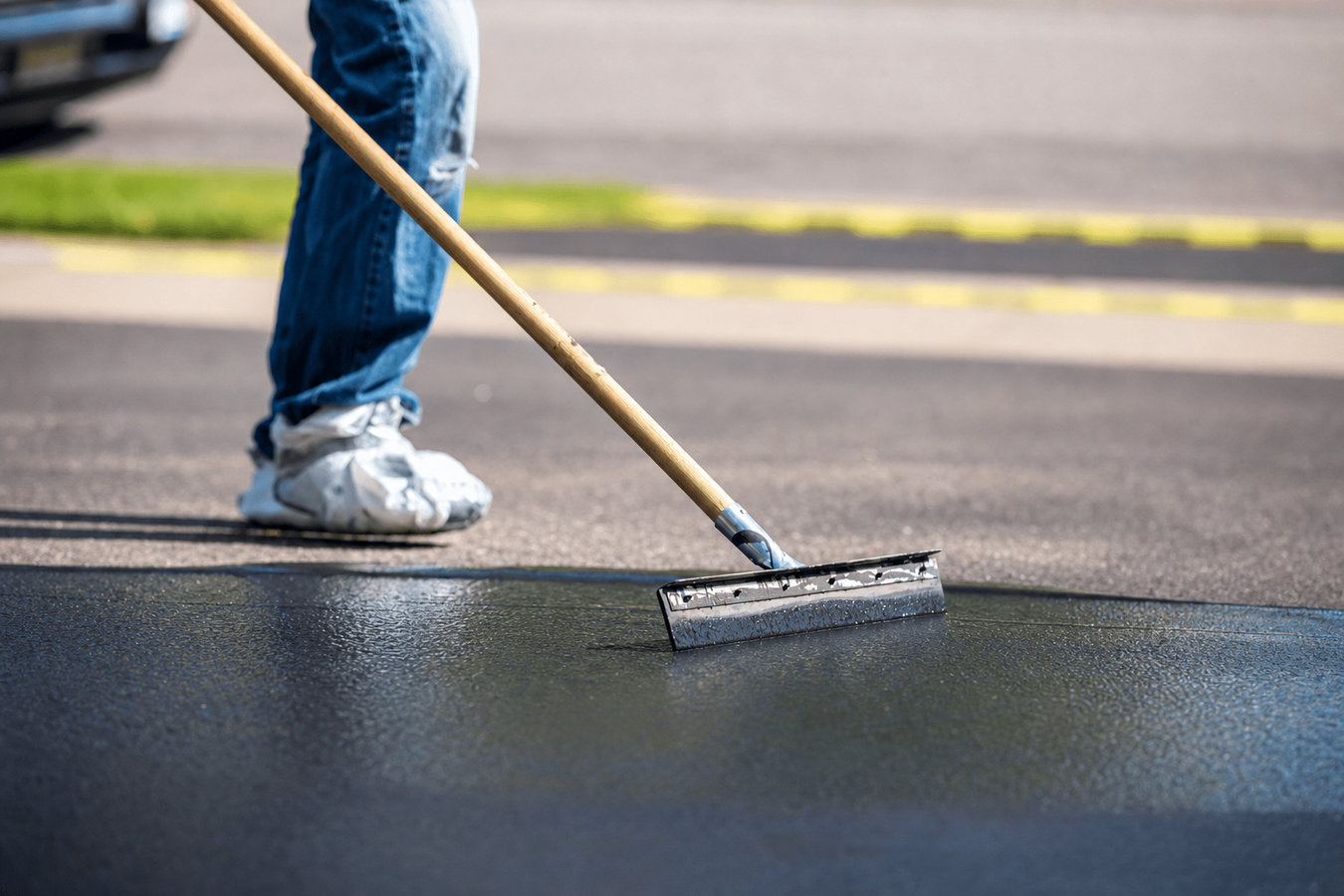
Concrete sealing in Cleburne puts a thin protective layer on your slab that keeps water, oil, and dirt from soaking in - most residential driveways and patios are cleaned, prepped, and sealed in a single day, with the surface ready for light foot traffic within 24 hours.
Think of it as a raincoat for your driveway. The concrete still looks like concrete, but liquids bead up and wipe away instead of soaking into the slab and starting the slow process of cracking and staining. In Cleburne, where summers push past 100 degrees and the occasional hard freeze hits in January or February, unsealed concrete wears out much faster than most homeowners expect.
Sealing is also the natural follow-up to surface preparation work. If you have recently had concrete grinding and surface preparation done, sealing locks in that fresh surface and extends the life of whatever finish is underneath. Many homeowners also combine sealing with concrete resurfacing when the slab needs more than protection alone.
Pour a small cup of water on your driveway or patio. If it soaks into the surface within a minute or two instead of beading up and sitting on top, the sealer has worn off. That means your concrete is absorbing water and is no longer protected against Cleburne's wet seasons.
Concrete that has lost its sealer often looks dull, pale, or powdery on the surface - especially after a dry Cleburne summer. That chalky look means the top layer is breaking down from UV exposure and heat, and sealing it now can slow that process before it gets worse.
If your driveway or patio developed new cracks or started flaking after a hard winter, moisture got into the concrete and expanded during the freeze. Sealing after repairs are made helps prevent the same freeze-thaw damage from recurring next winter.
Stains that used to wipe off now seem to be soaking deeper into the concrete. That is a sign the surface is no longer protected and is absorbing whatever lands on it. In Cleburne's older neighborhoods, where driveways may be 20 or 30 years old, this is a common sign that the concrete needs attention.
Not every sealing job is the same. A 25-year-old Cleburne driveway with oil stains and hairline cracks needs different preparation than a two-year-old patio that just needs its first coat of protection. We match the sealer type and prep process to what your specific surface and situation call for - which means the result holds up the way it is supposed to rather than peeling in the first summer.
For homeowners whose concrete has already taken real damage, sealing works best as the final step after repairs are made. We offer concrete resurfacing and overlays when the surface needs more than sealing alone, and we work alongside polished concrete finishes for interior floors that benefit from both a polished sheen and a protective top coat.
Best for driveways and flatwork that need invisible protection - the sealer soaks into the pores without changing the look of the surface.
Ideal for homeowners who want to enhance the color and sheen of their concrete while adding a protective layer.
For slabs that have been cracked or damaged by clay-soil movement and need protection applied after crack repair to slow future moisture intrusion.
Scheduled in fall before freeze season to buffer against the moisture absorption and thermal expansion that cracks unprotected concrete.
Cleburne's clay soil swells when it rains and shrinks when it dries out, and that constant movement drives moisture up through the slab from below. A properly applied sealer slows the rate at which moisture moves in and out of the concrete, which reduces how much the thermal and moisture cycling can crack and shift the surface over time. A sealer that is right for a cooler climate will not hold up the same way here in Johnson County - the UV index and summer temperatures are simply harder on the coating.
Cleburne also has a significant number of homes built in the 1970s through 1990s, and the concrete driveways and patios from that era are now old enough to be highly porous and actively absorbing moisture. Homeowners in Alvarado and Keene are on the same geological base and deal with the same aging-concrete and clay-soil combination - we bring that same local experience to every sealing job we do across the area.
Reach out by phone or the online form and we will reply within one business day. We will ask about the size of the area, any visible cracks or stains, and what kind of surface it is so we can give you an accurate picture of what the job involves.
We walk the surface with you and look for cracks, oil spots, and areas where the concrete is flaking or where the old sealer has clearly worn through. This is the right time to ask questions - we point out anything that needs to be repaired or treated before sealing and explain why it matters. You get a written estimate before any work begins.
The crew pressure-washes the concrete and lets it dry completely - this step is the most important part of the job. If there are oil stains, we apply a degreaser first. Rushing the dry time is the single biggest quality shortcut in this industry, and we do not take it.
Once the surface is clean and dry, the sealer goes on in one or two thin coats using a roller, sprayer, or squeegee depending on the product and the surface. We schedule around the weather forecast - no sealer goes down if rain is likely within 48 hours - and we tell you exactly when it is safe to walk and drive on the finished surface.
Free on-site estimate. Written quote before any work begins. Weather-checked scheduling every time.
(682) 847-7365The intense UV exposure and summer heat in Johnson County break down sealers faster than in cooler climates. We use products suited to high-heat, high-UV conditions so the protection does not fade after one Cleburne summer - and we factor the local freeze-thaw cycle into the sealer type we recommend.
The single biggest reason sealers fail is that the contractor rushed the cleaning or did not let the surface dry completely before application. We pressure-wash, degrease where needed, and check dry time before a drop of sealer goes down - because the prep is what makes the finish last.
American Concrete Institute on sealer best practicesClay soil movement is a fact of life in Cleburne, and it creates cracks that sealing alone will not fix. We identify cracks that need repair before sealing and tell you upfront what that adds to the scope - so you are not calling us six months later because moisture got back in through a crack we sealed over.
Rain in the first 24 to 48 hours after sealing ruins the finish - it can cause the sealer to turn white, bubble, or wash off before it cures. We check the forecast before scheduling your job and will reschedule rather than risk the result. Spring weather in Cleburne is unpredictable, and we treat that seriously.
Concrete sealing is one of the lowest-cost ways to extend the life of your driveway or patio - but only if it is done right. We have seen too many Cleburne homeowners who paid for a rushed job and were resealing or repairing within a year. We take the time to do it correctly so you are not back in that position.
For more background on concrete sealer types and best practices, the Portland Cement Association and the Texas Department of Transportation both publish technical resources on concrete durability and sealer performance in high-UV climates.
When sealing is not enough and the surface needs a new layer, resurfacing restores worn or damaged concrete before the sealer goes down.
Learn MorePolished concrete pairs naturally with sealing for interior floors that need to be both durable and easy to maintain.
Learn MoreThe best time to seal is before the summer heat hits. Book your free estimate today and lock in a date before the rush.